 Join our Email List




Berghahn Series
Protest, Culture & Society
 Editors
Kathrin Fahlenbrach, Institute for Media and Communication, University of Hamburg, Germany
Martin Klimke, New York University Abu Dhabi, United Arab Emirates
Joachim Scharloth, Waseda University, Japan
"In a series of several volumes Berghahn Books offers a powerful contribution to the currently much-discussed impacts of transnational protest history." · H-Soz-u-Kult
"the Protest, Culture, and Society Series by Berghahn Books... has contributed much to our understanding of the role of protest in twentieth and twenty-first century historical and cultural change." · Journal for the Study of Radicalism
Protest movements have been recognized as significant contributors to processes of political participation and transformations of culture and value systems, as well as to the development of both a national and transnational civil society. This series brings together the various innovative approaches to phenomena of social change, protest and dissent which have emerged in recent years from an interdisciplinary perspective. It contextualizes social protest and cultures of dissent in larger political processes and socio-cultural transformations by examining the influence of historical trajectories and the response of various segments of social, political and legal institutions on a national and international level. In doing so, the series offers a more comprehensive and multi-dimensional view of historical and cultural change in the 20th and 21st centuries.
Submissions
Formal submissions should be sent directly to Berghahn Books. For more information on Berghahn's manuscript submission procedure, please look at the Info for Authors section on this web site. All submissions to this series, as well as any queries about the formal procedure, should be sent to Berghahn.
Download Series Flyer:
-
 Volume 32
The Chernobyl Effect
Antinuclear Protests and the Molding of Polish Democracy, 1986–1990
Kacper Szulecki, Janusz Waluszko, and Tomasz Borewicz
Published: 2022 -
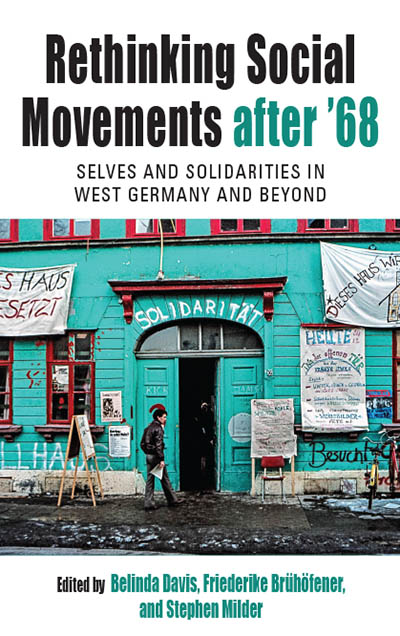 Volume 31
Rethinking Social Movements after '68
Selves and Solidarities in West Germany and Beyond
Edited by Belinda Davis, Friederike Brühöfener, and Stephen Milder
Published: 2022 -
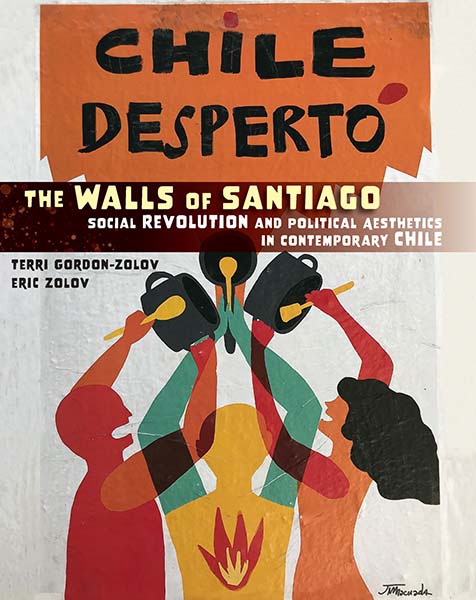 Volume 30
The Walls of Santiago
Social Revolution and Political Aesthetics in Contemporary Chile
Terri Gordon-Zolov and Eric Zolov
Published: 2022 -
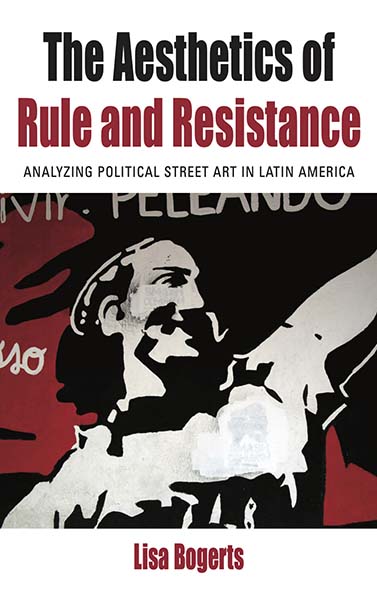 Volume 29
The Aesthetics of Rule and Resistance
Analyzing Political Street Art in Latin America
Lisa Bogerts
Published: 2022 -
 Volume 28
Political Graffiti in Critical Times
The Aesthetics of Street Politics
Edited by Ricardo Campos, Andrea Pavoni, and Yiannis Zaimakis
Published: 2021 -
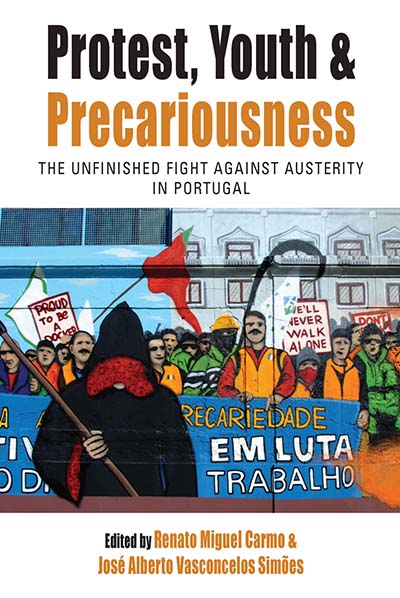 Volume 27
Protest, Youth and Precariousness
The Unfinished Fight against Austerity in Portugal
Edited by Renato Miguel Carmo and José Alberto Vasconcelos Simões
Published: 2020 -
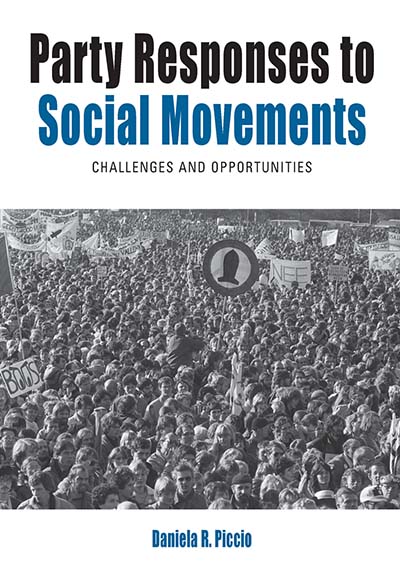 Volume 26
Party Responses to Social Movements
Challenges and Opportunities
Daniela R. Piccio
Published: 2019 -
 Volume 25
The Politics of Authenticity
Countercultures and Radical Movements across the Iron Curtain, 1968-1989
Edited by Joachim C. Häberlen, Mark Keck-Szajbel, and Kate Mahoney
Published: 2018
Afterword by Sara Blaylock -
 Volume 24
Taking on Technocracy
Nuclear Power in Germany, 1945 to the Present
Dolores L. Augustine
Published: 2018 -
 Volume 23
The Virago Story
Assessing the Impact of a Feminist Publishing Phenomenon
Catherine Riley
Published: 2018 -
 Volume 22
The Women's Liberation Movement
Impacts and Outcomes
Edited by Kristina Schulz
Published: 2017 -
 Volume 21
Hairy Hippies and Bloody Butchers
The Greenpeace Anti-Whaling Campaign in Norway
Juliane Riese
Published: 2017 -
 Volume 20
A Fragmented Landscape
Abortion Governance and Protest Logics in Europe
Edited by Silvia De Zordo, Joanna Mishtal, and Lorena Anton
Published: 2016 -
 Volume 19
The Nuclear Crisis
The Arms Race, Cold War Anxiety, and the German Peace Movement of the 1980s
Edited by Christoph Becker-Schaum, Philipp Gassert, Wilfried Mausbach, Martin Klimke, and Marianne Zepp
Published: 2016 -
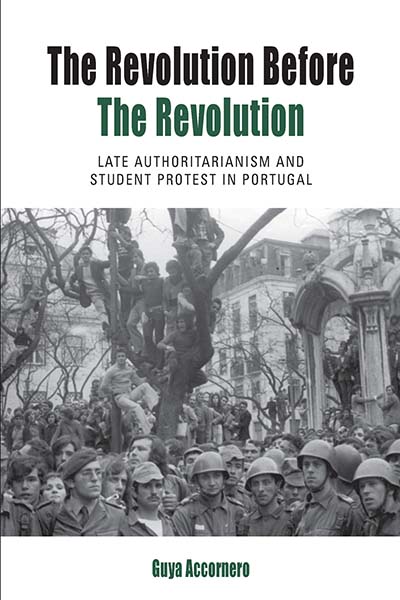 Volume 18
The Revolution before the Revolution
Late Authoritarianism and Student Protest in Portugal
Guya Accornero
Published: 2016 -
 Volume 17
Protest Cultures
A Companion
Edited by Kathrin Fahlenbrach, Martin Klimke, and Joachim Scharloth
Published: 2016 -
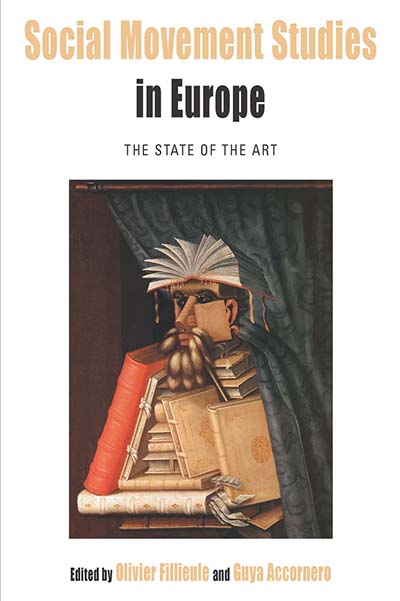 Volume 16
Social Movement Studies in Europe
The State of the Art
Edited by Olivier Fillieule and Guya Accornero
Published: 2016
Foreword by James Jasper -
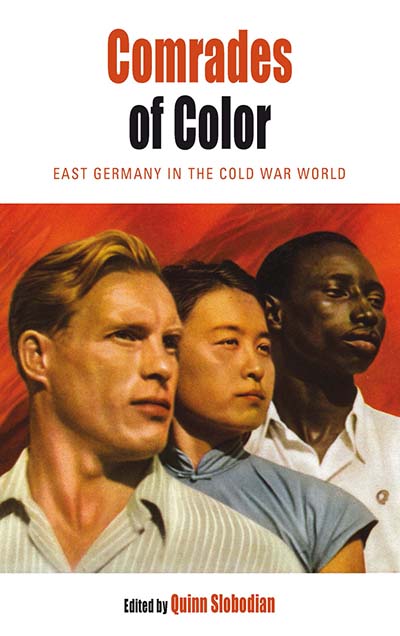 Volume 15
Comrades of Color
East Germany in the Cold War World
Edited by Quinn Slobodian
Published: 2015 -
 Volume 14
Protest in Hitler's “National Community”
Popular Unrest and the Nazi Response
Edited by Nathan Stoltzfus and Birgit Maier-Katkin
Published: 2015
Afterword by David Clay Large -
 Volume 13
Militant Around the Clock?
Left-Wing Youth Politics, Leisure, and Sexuality in Post-Dictatorship Greece, 1974-1981
Nikolaos Papadogiannis
Published: 2015 -
 Volume 12
Europeanizing Contention
The Protest Against 'Fortress Europe' in France and Germany
Pierre Monforte
Published: 2014 -
 Volume 11
Media and Revolt
Strategies and Performances from the 1960s to the Present
Edited by Kathrin Fahlenbrach, Erling Sivertsen & Rolf Werenskjold
Published: 2014 -
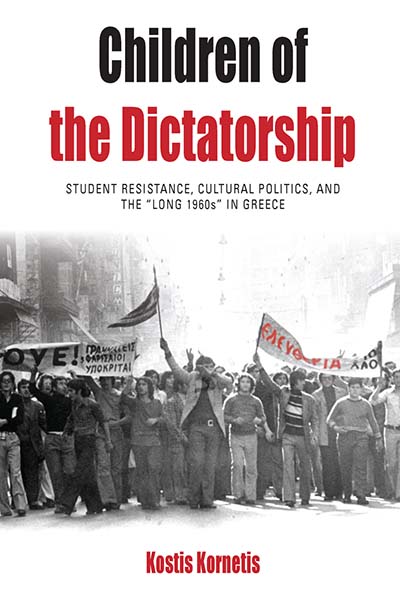 Volume 10
Children of the Dictatorship
Student Resistance, Cultural Politics and the 'Long 1960s' in Greece
Kostis Kornetis
Published: 2013 -
 Volume 9
The German Student Movement and the Literary Imagination
Transnational Memories of Protest and Dissent
Susanne Rinner
Published: 2013 -
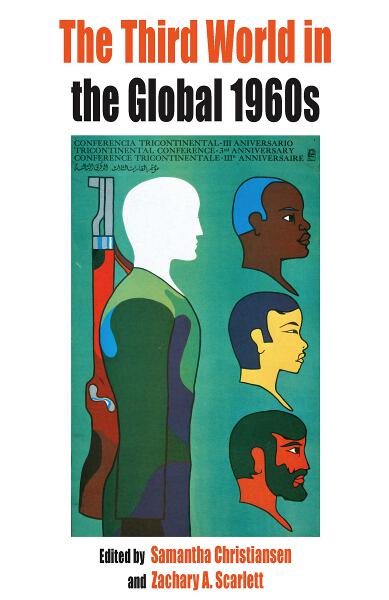 Volume 8
The Third World in the Global 1960s
Edited by Samantha Christiansen and Zachary Scarlett
Published: 2012
Foreword by Arif Dirlik -
 Volume 7
Between Prague Spring and French May
Opposition and Revolt in Europe, 1960-1980
Edited by Martin Klimke, Jacco Pekelder & Joachim Scharloth
Published: 2011 -
 Volume 6
Between the Avant-garde and the Everyday
Subversive Politics in Europe from 1957 to the Present
Edited by Timothy Brown and Lorena Anton
Published: 2011
With a Foreword by Detlef Siegfried, University of Copenhagen -
 Volume 5
Protest Beyond Borders
Contentious Politics in Europe since 1945
Edited by Hara Kouki and Eduardo Romanos
Published: 2011 -
 Volume 4
The Transnational Condition
Protest Dynamics in an Entangled Europe
Edited by Simon Teune
Published: 2010
With a Foreword by Sidney Tarrow -
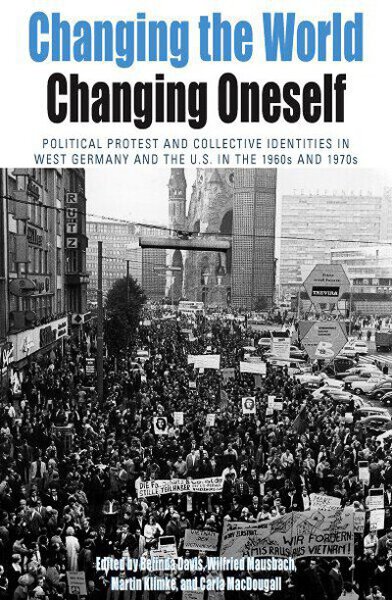 Volume 3
Changing the World, Changing Oneself
Political Protest and Collective Identities in West Germany and the U.S. in the 1960s and 1970s
Edited by Belinda Davis, Wilfried Mausbach, Martin Klimke, and Carla MacDougall
Published: 2010 -
 Volume 2
Transformations and Crises
The Left and the Nation in Denmark and Sweden, 1956-1980
Thomas Ekman Jørgensen
Published: 2008 -
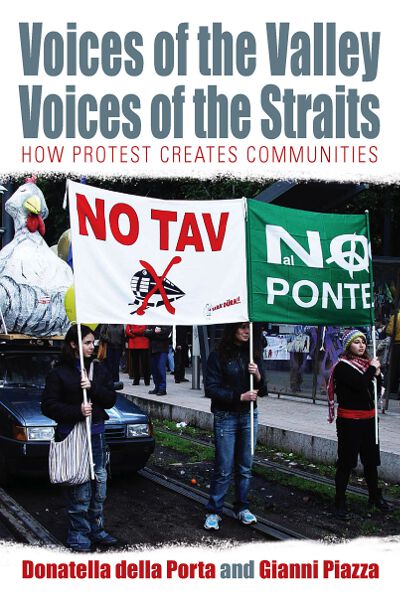 Volume 1
Voices of the Valley, Voices of the Straits
How Protest Creates Communities
Donatella della Porta and Gianni Piazza
Published: 2008































